Get Healthy!
- Posted July 21, 2026
The Best Surgery For Pelvic Organ Prolapse?
Women suffering from pelvic organ prolapse might be best served by a surgery that spares their uterus rather than removing it, a landmark clinical trial reports.
Women were less likely to experience treatment failure if they underwent hysteropexy — in which a mesh implant keeps the uterus in place — rather than a full-fledged hysterectomy, according to results published recently in JAMA Surgery.
After 10 years of follow-up, women with a hysteropexy had a 36% lower risk of treatment failure, the study found.
“Both procedures are reasonable options for patients,” concluded the research team led by Dr. Charles Nager, an emeritus professor with the University of California-San Diego. "If available, hysteropexy with mesh augmentation for patients who desire uterine preservation is a low risk and effective option."
As many as 1 in every 5 women get surgery for pelvic organ prolapse during their lifetime, researchers said in background notes.
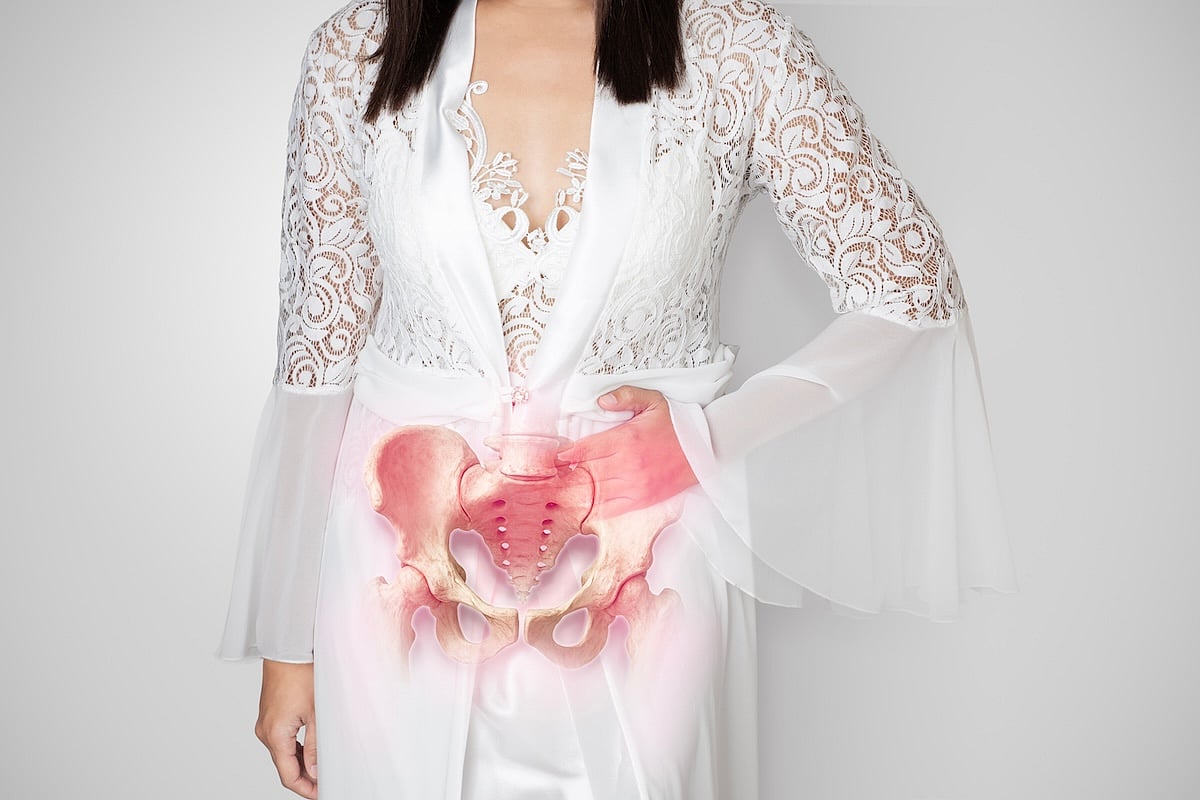
The condition occurs when the pelvic floor — the muscles and tissues that hold organs in place — weaken over time, Harvard Medical School says. Women might experience uncomfortable pressure, pain, urinary problems, constipation or painful sex as a result.
Up to now, it’s been unclear whether hysteropexy or hysterectomy is the better procedure for women, researchers said.
“In 2019, the U.S. Food and Drug Administration concluded that there were insufficient data to prove that transvaginal mesh was superior to native tissue at three years and subsequently removed vaginal mesh kits from the market in the U.S., although these mesh kits are still used around the world,” researchers wrote.
For this new study, researchers recruited 175 women with pelvic prolapse treated at nine clinical sites in the U.S. Pelvic Floor Disorders Network, a federally funded research project. Of the women, 88 underwent hysteropexy and 87 had a hysterectomy.
Only 40% of women in the hysteropexy group experienced treatment failure over 10 years of follow-up, compared to 53% of women who underwent hysterectomy.
However, hysteropexy did not prove more durable than hysterectomy in later years, researchers found.
“Although participants in the vaginal mesh hysteropexy group had a better composite primary outcome, the expected increased durability over a native tissue procedure was not observed between years six and 10,” researchers concluded.
“Both groups showed sustained improvements in patient-reported outcomes with no significant differences between treatment arms,” researchers wrote. “Similarly, both groups experienced improvements in sexual function, and pelvic pain rates remained low.”
More information
Harvard Medical School has more on pelvic organ prolapse.
SOURCE: JAMA Surgery, June 24, 2026
