Manténgase sano!
- Posted February 13, 2026
One Simple Step Can Reduce Risk Of Preeclampsia, Study Says
Doctors could reduce rates of a dangerous high blood pressure condition in pregnancy by taking one simple step, a new study says.
Prescribing daily aspirin to all pregnant women at their first prenatal visit was associated with an overall reduction in cases of severe preeclampsia, according to findings presented at a meeting of the Society for Maternal-Fetal Medicine in Las Vegas.
“Implementation of directly-dispensed aspirin in this high-risk pregnant population appeared to delay the onset, and for some patients completely prevent the development of preeclampsia with severe features,” lead researcher Dr. Elaine Duryea said in a news release. She’s an associate professor of obstetrics and gynecology at the University of Texas Southwestern Medical Center in Dallas.
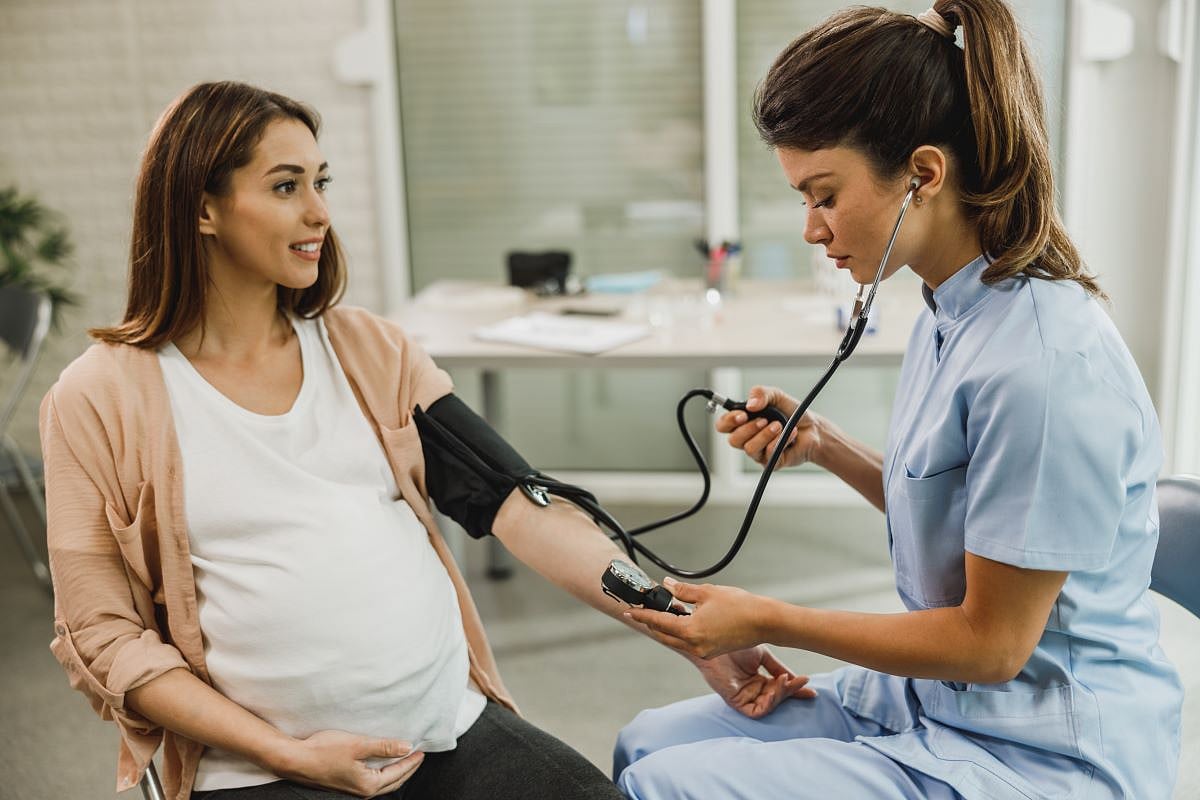
Preeclampsia involves persistently high blood pressure during pregnancy that can result in organ damage to the expectant mother, researchers said. The condition also increases the risk of premature birth or stillbirth.
Low-dose aspirin has been shown to help prevent preeclampsia when started between 12 and 28 weeks of pregnancy, researchers said in background notes.
But it’s not a widely used treatment, researchers said.
For the new study, researchers started prescribing daily aspirin to all patients at their first prenatal visit or prior to 16 weeks’ gestation, beginning in August 2022.
Importantly, clinics handed out the aspirin directly to patients to make sure they had access to the drug.
The research team then compared outcomes of nearly 18,500 patients who gave birth at Parkland Hospital in Dallas, Texas, after they were provided aspirin, to a similar number of women who weren’t prescribed aspirin.
Women given daily aspirin had 29% fewer cases of severe preeclampsia, researchers found.
Further, women on aspirin who did develop preeclampsia came down with the condition later in pregnancy, results showed.
Aspirin also benefited women with high blood pressure prior to pregnancy, reducing their risk of preeclampsia by 28%, researchers said.
The study also found no increased risk of side effects like bleeding or damage to the placenta.
“While we cannot be sure that similar effects will be observed in other patient populations, there was no evidence of harm caused by aspirin administration,” Duryea said.
Researchers presented their findings Wednesday at the meeting.
Findings presented at medical meetings are considered preliminary until published in a peer-reviewed journal.
More information
Johns Hopkins Medicine has more about preeclampsia.
SOURCE: Society for Maternal-Fetal Medicine, news release, Feb. 11, 2026
